
Pleated filters are a critical component in the operation of industrial and commercial filtration systems, especially where effective particle removal and process stability are non-negotiable. Pharmaceutical, microelectronics, food, beverage, and automotive manufacturing all rely heavily on the right pleated filter cartridges. With demand for higher efficiency and tighter regulatory compliance pushing the industry forward, buyers researching reputable pleated filter manufacturers need a clear picture of what separates a dependable supplier from one that falls short under real process conditions.
This guide covers the fundamentals, outlines key selection criteria, and profiles five leading suppliers worth considering.
Key Takeaways
- Pleated filters are vital for industrial and commercial applications, offering superior particle retention and extended service life versus traditional filters.
- Choosing the right pleated filter supplier, such as Pullner Filter, ensures compliance with strict industry standards and robust traceability essential for regulated sectors.
- Micron rating, filter material compatibility, and validated certification are critical factors when selecting pleated filters for processes like pharmaceuticals or food production.
- Recent advances in pleated filter technology feature higher efficiency membranes, automated quality control, and more sustainable materials that improve performance and sustainability.
- Regular maintenance, careful handling, and thorough documentation are essential to maximize the operational life and effectiveness of pleated filters.
- Common mistakes such as incorrect filter selection or lack of traceability can be avoided by partnering with top suppliers experienced in pleated filter technology.
Understanding Pleated Filters for Industry
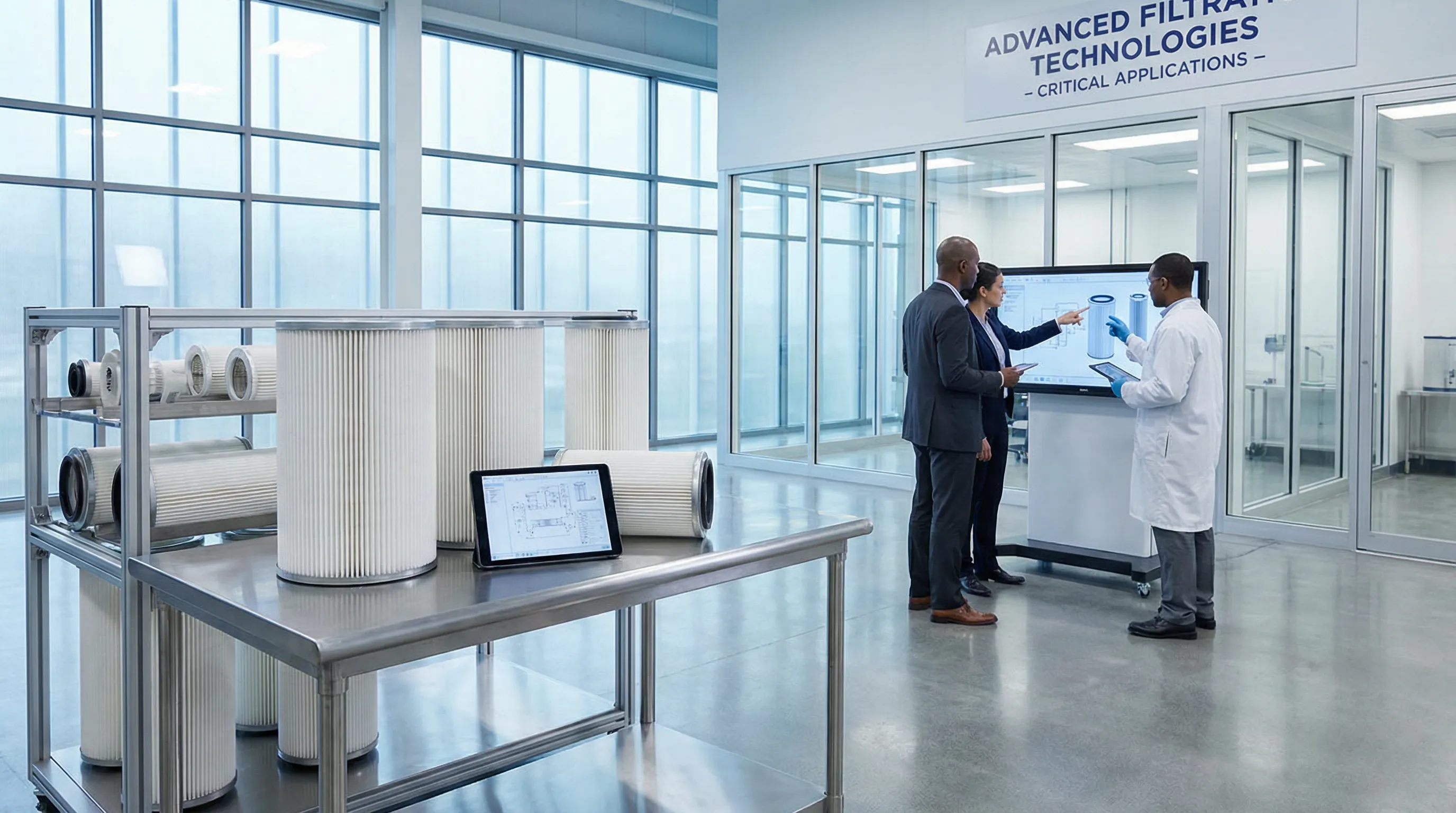
Pleated filters are specialized filtration elements used to remove suspended particles, bacteria, and micro-contaminants from liquids and gases across industrial and commercial sectors. The pleated design increases the surface area without significantly enlarging the filter’s footprint, which means longer service life and higher efficiency than flat or wound filters.
In practical applications, pleated filters are essential where consistent, high-efficiency particle retention is crucial. Pharmaceutical production, semiconductor fabrication, beverage bottling, and automotive paint lines all depend on these filters for maintaining process integrity and product safety. The precision manufacturing environment at Pullner Filter, based in Songjiang District, Shanghai, with over 10,000 square meters of cleanroom space, reflects the industry’s demands for controlled, contaminant-free filter production.
High-performance pleated filters usually feature different materials and micron ratings, allowing manufacturers to tailor filtration to process requirements, including the interception of bacteria as required by sterile environments.
Types Available
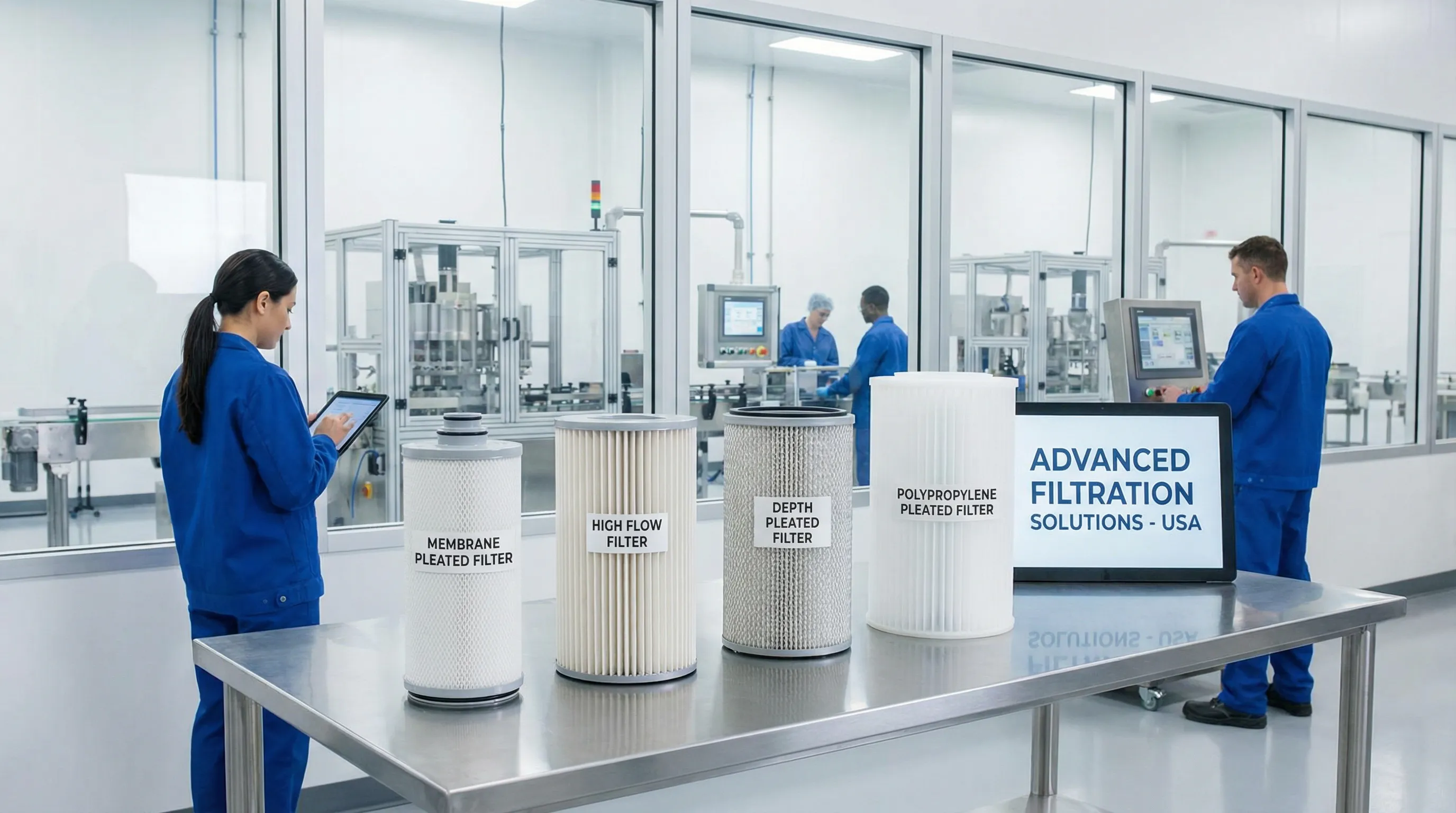
Pleated filters are available in a range of types suited for specific industrial challenges:
- Membrane Pleated Filters: These filters use microporous membranes made from materials like PTFE, PVDF, PES, or nylon. They offer absolute control of particle retention and are optimal for pharmaceutical sterile filtration and microelectronics.
- High Flow Filter Cartridges: Designed for high throughput and low pressure drop, these cartridges serve industries like food and beverage processing and industrial water treatment. Their construction supports fast change-outs and large volume filtration.
- Depth Pleated Filters: Combining depth filtration with a pleated structure, these filters are used where both particle retention and dirt-holding capacity are required, common in paint lines or process water.
- Polypropylene Pleated Filters: Favored for their chemical compatibility and cost efficiency in general industrial applications.
At Pullner Filter, these types are produced using automated, high-precision lines, supporting tight quality control and broad material options.
Benefits and Considerations
The main benefits of pleated filters include higher dirt-holding capacity, longer filter lifecycle, and lower operational costs due to fewer replacements. The pleated structure maximizes contact with the fluid, which means more efficient retention of particulates and micro-organisms, even at fine micron ratings, as low as 0.1 micron.
For organizations in sensitive industries, sterility, and traceability are critical. Pullner Filter’s ISO-certified production in large-scale cleanrooms ensures each filter meets stringent performance and traceability standards.
When selecting pleated filters, it’s important to align the filter media, micron rating, and end-cap configuration with the required filtration goals, process compatibility, and maintenance routines. Not every manufacturer provides material traceability, validated bacterial retention, or the kind of documentation needed for regulated industries. Buyers should carefully review technical specifications and validation reports.
What Should I Look for in Pleated Filters?
When choosing pleated filters for industrial use, the following criteria matter most:
- Micron Rating and Efficiency: Ensure the filter offers the required micron cut-off (from 0.1 micron for sterile applications up to 50 microns for general particle removal). Certification of particle and bacteria retention performance is crucial, especially for pharmaceutical and beverage applications.
- Material Compatibility: Filters must be manufactured from materials chemically compatible with the fluid or gas being filtered. PTFE, PES, and polypropylene are industry standards for different chemical and temperature requirements.
- Manufacturing Quality: Consistency is key. Look for suppliers with ISO 9001 or equivalent certifications. Cleanroom assembly, as seen at Pullner Filter’s 10,000 square meter site, reduces risk of manufacturing defects and contamination.
- Traceable Production: In regulated industries, full batch traceability, validation data, and test certificates are often mandatory.
- Service Support: Technical support, rapid delivery, and after-sales services help maintain continuous plant operation.
Top 5 Pleated Filter Suppliers Companies
1. Pullner
Business: Pullner
Spokesperson: Lucy
Position: Sales Manager
Phone: 0086-21-57718597
Email: [email protected]
Location: LB19-Office No.1207, Jebel Ali Free Zone, Dubai, United Arab Emirates
Website: https://www.pullnerfilter.com/
Google Maps Link: https://maps.app.goo.gl/XgLZWHjGFcmdWddt6
Pullner stands out for its 20+ automated production lines, 10,000 square meters of ISO-class cleanroom facilities, and a wide range of pleated filter cartridges and housings. Pullner specializes in high-efficiency membrane pleated filters and high flow cartridges for pharmaceutical, microelectronics, and beverage applications. Their ability to provide rigorous traceability, batch validation, and flexible customization meets exacting industrial requirements.
2. Filson Filter
Filson Filter is recognized for its global distribution and specialization in pleated cartridges made from polypropylene, PES, and PTFE. The company supplies solutions for water treatment, chemical processing, and food manufacturing. Filson emphasizes product customization and accommodates a broad array of industry needs, including OEM filter replacements, delivered with ISO quality systems.
3. Shelco Filters
Shelco Filters operates out of the USA and focuses on providing engineered filter cartridges and vessels. They deliver robust solutions for demanding fluid and air filtration, especially in food processing and high-purity chemical applications. Their expertise includes standard and custom stainless-steel filter housings, making them a reliable choice where durability and code compliance matter.
4. Amazon Filters
Based in the UK, Amazon Filters manufactures high performance pleated depth filters and filtration systems for the pharmaceutical, beverage, and industrial sectors. Their product range features advanced depth media and membrane technologies, and Amazon Filters is known for rapid mobility in supplying replacement filters and offering comprehensive technical documentation.
5. Guangzhou ZN Filter Material
Guangzhou ZN Filter Material focuses on high-quality pleated filter media and customizable filter elements. Their expertise in material science enables them to supply media optimized for dust collection, HVAC, and industrial liquids, particularly for Asian markets. They are valued for their technical innovation and strong materials engineering, making them a key supplier for filtration system integrators.
What Are the Benefits of Pleated Filters?
Pleated filters deliver key advantages that make them essential for industrial and commercial operations:
- Extended Service Life: The pleated architecture dramatically increases surface area, leading to longer periods between replacements.
- Improved Particle Retention: Efficiency is boosted by the increased media area, making pleated filters highly effective at intercepting fine particulates and micro-organisms.
- Stable Process Performance: Consistent filtration performance supports downstream quality control and compliance in regulated industries like pharmaceuticals and food processing.
- Operational Cost Savings: Reduced change-out frequency lowers both labor requirements and filter procurement costs over time.
Facilities such as Pullner Filter’s cleanroom manufacturing base use specialized pleating and inspection to ensure each filter performs reliably in demanding industrial environments.
Latest Trends in Pleated Filter Technology
Industry trends in pleated filter technology reflect a push toward higher efficiency, greater automation, and smarter process integration:
- Micro Membrane Advancements: New membrane materials are increasing chemical compatibility and durability at finer micron ratings, driving adoption in biopharma and electronics.
- High Flow Designs: Filters with engineered pleat geometry maximize throughput in water, beverage, and chemical systems while reducing pressure drop.
- Automated Production Lines: Facilities like Pullner Filter use robotic assembly, inline pleat inspection, and batch coding to improve quality and traceability.
- Eco-friendly Materials: There is a steady shift towards recyclable polymers and resource-saving manufacturing processes.
- Data-Driven Quality Assurance: Barcode tracking and digital records ensure every filter can be traced from raw materials to finished product, supporting regulatory compliance.
These innovations are reducing downtime, improving performance, and supporting sustainability targets across industrial applications.
Maintenance Best Practices
To prolong the life and maintain the efficiency of pleated filters:
- Scheduled Replacements: Replace filters based on actual process differential pressure readings, not just calendar time, to maximize useful lifespan and avoid unexpected process interruptions.
- Correct Handling: Always use clean gloves and keep replacement filters in their packaging until installation, especially in pharmaceutical or food plants.
- Pre-startup Inspection: Check all filter cartridges for packaging damage, end-cap integrity, and lot number traceability before each installation.
- Documented Change-Outs: Track every filter replacement, including installation date, operator name, and batch data, to improve traceability, especially in regulated sectors.
- Regular System Checks: Clean housings and check O-rings and seals for wear during each filter change to maintain system integrity.
Common Mistakes to Avoid
Operators and buyers should take care to avoid these mistakes:
- Selecting Incorrect Micron Ratings: Over- or under-specifying micron size can lead to process failures or unnecessary costs.
- Ignoring Compatibility: Failing to match filter materials with the chemicals or temperature extremes of the application leads to premature filter failure.
- Overlooking Documentation: Lack of proper traceability and batch validation can result in regulatory non-compliance, especially in pharmaceutical or food manufacturing.
- Improper Installation: Skipping pre-installation integrity checks risks leaks or filter bypass, undermining the filtration process.
- Irregular Maintenance: Delayed filter changes or neglected housings lead to reduced filtration efficiency and potential contamination risk.
By choosing a reputable supplier, such as Pullner Filter, with stringent quality control and robust support, industrial users can avoid these pitfalls and optimize operational efficiency.
Frequently Asked Questions About Pleated Filter Suppliers
What should I look for when choosing a pleated filter supplier for industrial applications?
Key factors include micron rating accuracy, material compatibility, ISO-certified manufacturing, full production traceability, and strong technical support. These ensure filters meet regulatory standards and provide consistent performance in demanding industrial environments.
Why are pleated filters preferred for industrial and commercial filtration systems?
Pleated filters offer high particle retention efficiency, increased surface area, longer service life, and reduced operational costs. Their design allows for reliable removal of fine particulates and micro-organisms in critical environments like pharmaceuticals and food processing.
Who are the top 5 pleated filter suppliers for industrial and commercial applications?
Leading suppliers include Pullner Filter, Filson Filter, Shelco Filters, Amazon Filters, and Guangzhou ZN Filter Material. These companies stand out for their quality control, technical innovation, broad product range, and industry-specific expertise.
How do I ensure the pleated filter meets compliance requirements for regulated industries?
Choose a supplier that offers ISO-certified production, complete batch traceability, and comprehensive validation documentation. This is essential for industries like pharmaceuticals and food, where regulatory compliance and product safety are critical.
What is the difference between membrane pleated filters and depth pleated filters?
Membrane pleated filters use microporous media for precise particle removal, ideal for sterile or high-purity processes. Depth pleated filters combine a layered structure with pleating, offering larger dirt-holding capacity for applications requiring both fine and bulky particle retention.
How often should pleated filters be replaced in industrial filtration systems?
Replace pleated filters based on process differential pressure readings rather than a fixed schedule. This approach maximizes filter life and helps avoid unnecessary downtime or contamination risks in industrial settings.